
As Australia's longest-running broadcast exclusively for healthcare professionals, we make it easy to stay up-to-date, with each interview lasting approximately 15 minutes.
Tune in to our medical broadcasters as they moderate discussions with renowned experts and influential thought leaders.
Access our private podcast or stream interviews below.

More than one million Australians live with type 2 diabetes, with cardiovascular disease and chronic kidney disease remaining major causes of morbidity and mortality.
In this interview, endocrinologist Dr Tamara Milder shares real-world PBS prescribing data, highlighting gaps in the uptake of SGLT2 inhibitors and GLP-1 receptor agonists, and discusses what the PBS changes mean for GPs.

GP, Platinum Medical Centre, Chermside, Brisbane.

Endocrinologist, St Vincent’s Clinic in Sydney.

Australia recorded more than 410,000 laboratory-confirmed influenza cases in 2025, with vaccination rates in young children falling to just 25%. With an intranasal live attenuated influenza vaccine (LAIV) now being introduced in Australia, what does this mean for general practice?
In this interview Dr Anita Sharma and UK nurse consultant Pauline MacDonald share over a decade of international experience with intranasal flu vaccination. Together they explore:
This interview offers practical insights to support informed discussions with families and improve uptake.

GP, Author, Podcaster, Presenter.
GP, Brisbane.

Independent Consultant Nurse, UK.
Menopause Miniseries (Part 11)

Premature ovarian insufficiency (POI) or premature menopause and early menopause have significant reproductive, psychological and long-term health implications.
In this episode, we speak with one of the authors of the new ESHRE guideline, endorsed by the International Menopause Society, about how POI presents in general practice, when to suspect the diagnosis, and how to investigate amenorrhoea in younger women.
The discussion covers updated diagnostic criteria, common causes and risk factors, the broader health consequences of early menopause, and the GP’s central role in coordinated, long-term care.
GP, Author, Podcaster, Presenter.

Endocrinologist, Monash Health and Monash University in Melbourne.
Menopause Miniseries (Part 10)
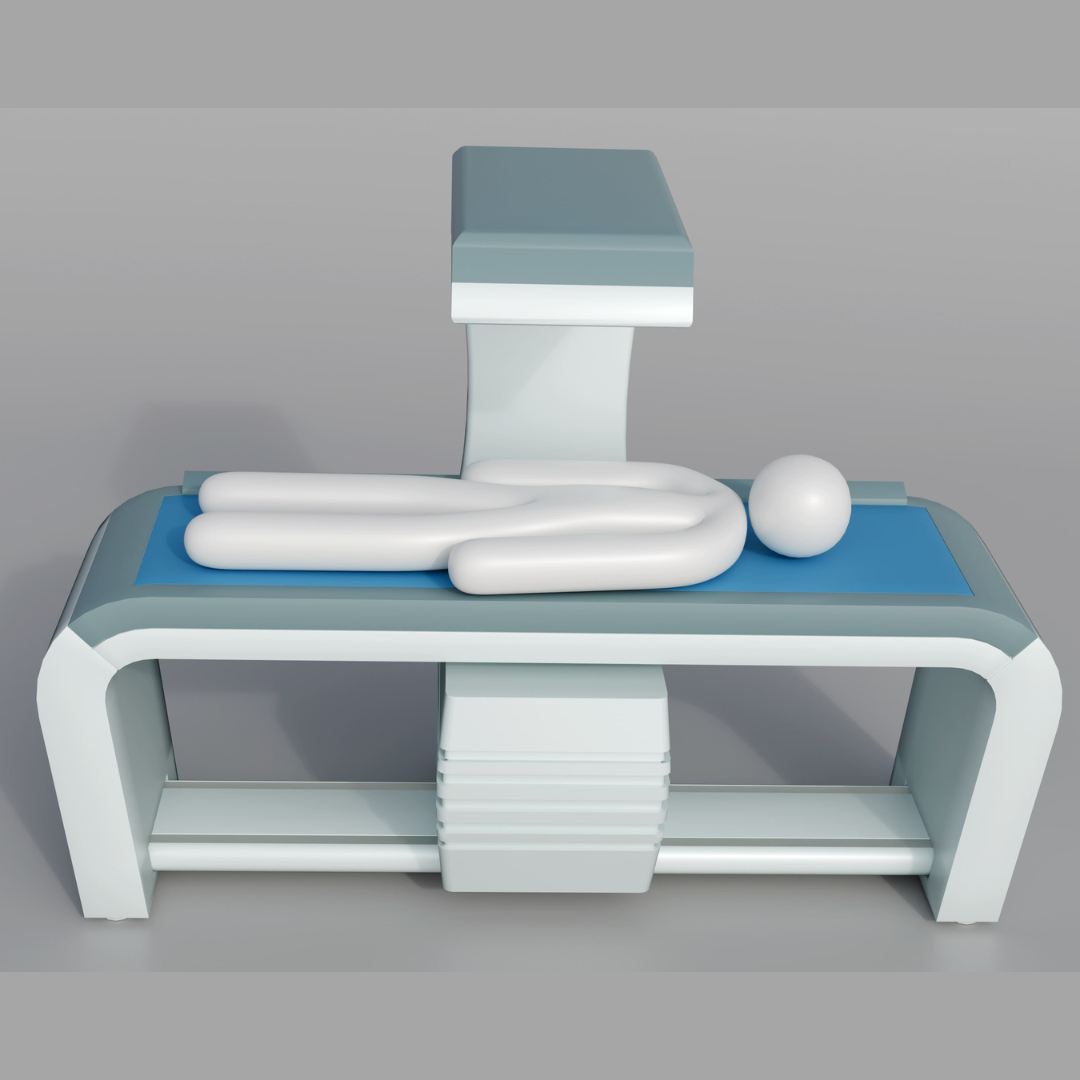
Osteoporosis is often asymptomatic until a fragility fracture occurs, making early identification and risk assessment in primary care critical.
In this interview we discuss bone health in midlife women, focusing on the impact of menopause-related oestrogen decline on bone density, the evidence for Menopause Hormone Therapy (MHT) in reducing bone loss and fracture risk when initiated early after menopause, how MHT fits alongside other osteoporosis treatment options, and how to contextualise safety considerations such as breast cancer, venous thromboembolism and cardiovascular risk.
GP, Author, Podcaster, Presenter.

Endocrinologist, Head of the Osteoporosis Service, Westmead Hospital, Sydney.
COVID-19 Miniseries (Part 2)

While COVID-19 is often seen as a mild illness, it remains a leading cause of death from acute respiratory infections in Australia. For patients with chronic respiratory conditions, the risks are very real.
In this episode, A/Prof Anthony Byrne provides clear, practical advice for GPs on managing these high-risk patients. Topics include recognising vulnerable groups, ensuring early and accurate diagnosis, preparing practice-based action plans, and integrating COVID-19 oral antivirals into care pathways to help reduce hospitalisation and long-term sequelae.
GP, Platinum Medical Centre, Chermside, Brisbane.

Thoracic Physician, St Vincent’s Hospital, Sydney.

This audio file contains all 6 interviews in this edition.
To view reference lists or product information please go to the individual interviews.
GP, Author, Podcaster, Presenter.

GP, Bondi Junction Medical & Dental Centre, Sydney.

GP, TV host, Author, and Podcaster.
GP, Platinum Medical Centre, Chermside, Brisbane.

Gastroenterologist, Monash University, Melbourne.

Medical Director of Sexual Health Victoria.

Endocrinologist, Clinical Researcher and Head of the Diabetes Clinical Research, the Baker Heart and Diabetes Institute.

Sleep Physician, Melbourne.

Psychiatrist and Researcher at Oxford University.

Danish Headache Centre in Copenhagen.

Gynaecologist and Professor of Obstetrics and Gynaecology, University of NSW.

Eosinophilic oesophagitis (EoE) is an immune-mediated inflammatory disease of the oesophagus that is increasingly recognised in Australia yet remains under-diagnosed in general practice.
Patients often present with dysphagia or choking episodes but may mask symptoms through adaptive eating behaviours, delaying diagnosis until fibrosis, strictures or food bolus obstruction occur.
This interview explores how GPs can recognise the early clinical features of EoE, differentiate it from GORD, and identify patients who warrant timely referral for endoscopy. Could it be EoE?
GP, Bondi Junction Medical & Dental Centre, Sydney.
Gastroenterologist, Monash University, Melbourne.

With three new oral contraceptives added to the PBS for the first time in 30 years, clinicians now have greater scope to tailor contraception to individual patient needs.
One of these options is a progestogen-only pill containing drospirenone, offering similar efficacy to combined oral contraceptives, a 24-hour missed-pill window and improved bleeding patterns for many women. We discuss how drospirenone works, how it differs from traditional progestogen-only pills, and which women may be suitable.
This episode provides clear, practical insights to support effective contraceptive counselling in general practice.
GP, Author, Podcaster, Presenter.
Medical Director of Sexual Health Victoria.
The Baker T2D & Heart Failure Miniseries (Part 8)

More than one million Australians live with type 2 diabetes, with cardiovascular disease the leading cause of death. Recent PBS changes allow GPs to initiate SGLT2 inhibitors with metformin in eligible patients, including those with established CVD, high cardiovascular risk, or Aboriginal and Torres Strait Islander patients, irrespective of HbA1c.
In this interview, A/Prof Neale Cohen discusses the updated PBS criteria, identifying high-risk patients in general practice, and practical strategies to integrate SGLT2 inhibitors into routine care.
GP, Platinum Medical Centre, Chermside, Brisbane.

Endocrinologist, Clinical Researcher and Head of the Diabetes Clinical Research, the Baker Heart and Diabetes Institute.
Insomnia (Part 2)

Insomnia is a common challenge in general practice, as it’s rarely the primary reason for a consult, and frequently coexists with other conditions.
In this case-based discussion, sleep physician Dr Juan Mulder shares insights and practical strategies for managing insomnia – from accessing CBT‑I options to balancing safety and effectiveness when considering pharmacological approaches.
GP, TV host, Author, and Podcaster.
Sleep Physician, Melbourne.
Tap the share icon  and select 'Add to Home Screen' to add the site to your home screen for quick access!

 Access private podcast